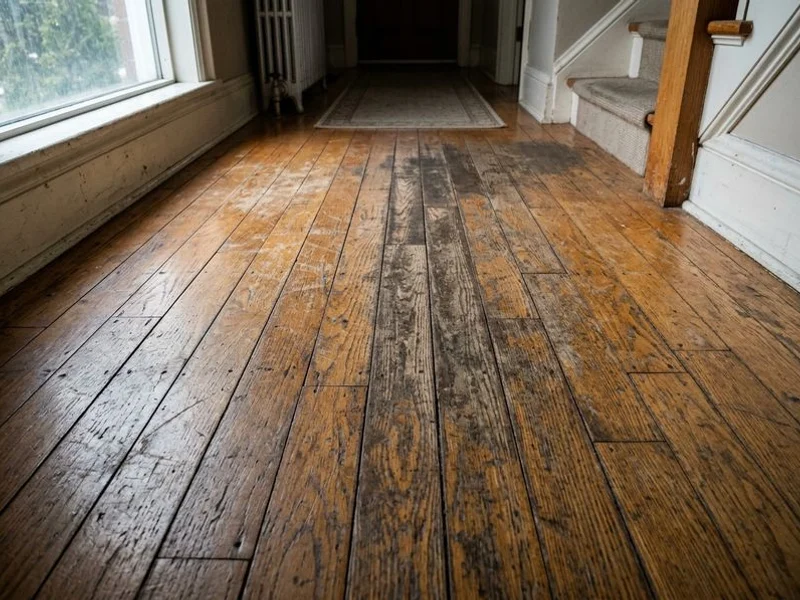
Hardwood vs carpet stairs in Toronto - how to make the right choice
The hardwood vs carpet stairs decision comes up in three situations in the GTA: you are renovating a home with original carpet over what might be original hardwood, you are preparing a property for sale, or you are building or finishing a home and choosing between the two for the first time. The right answer depends on your household, your timeline, and your budget - but the evidence from Toronto’s resale market, combined with long-run cost analysis, points strongly toward hardwood for most owners.
This comparison covers cost, durability, allergy considerations, safety, and resale impact - every factor that should inform the decision.
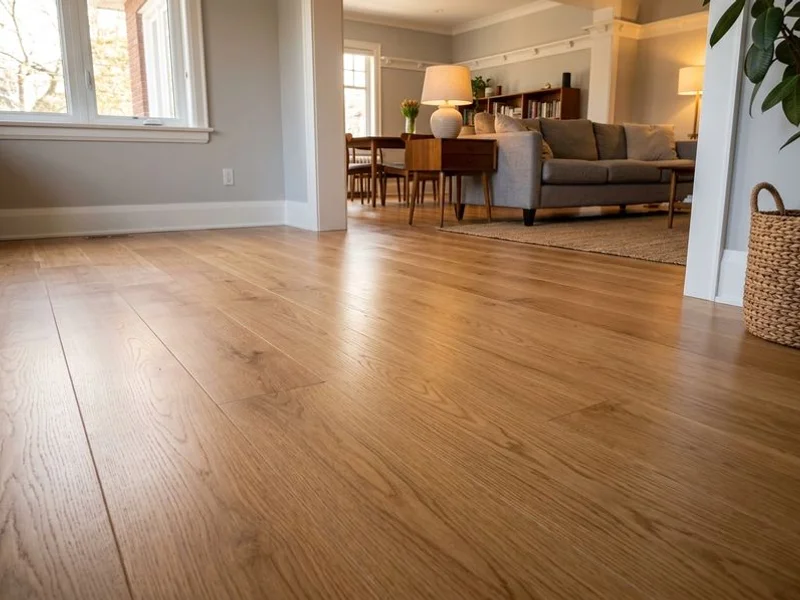
Cost comparison: upfront and over time
Carpet is cheaper to install initially. Hardwood costs more upfront and pays back through longevity and resale lift.
| Cost Category | Carpet (per tread) | Hardwood (per tread) |
|---|---|---|
| Initial installation | $40-$80 | $120-$250 |
| Replacement cycle | Every 8-12 years | Refinish every 10-15 years ($60-$120/tread) |
| 25-year total cost (14-tread stair) | $2,240-$5,600 (2-3 replacement cycles) | $2,380-$5,250 (1 install + 1-2 refinishes) |
| Resale value contribution | Neutral to negative (buyers price in replacement) | Positive - cited as top-five visible upgrade in Toronto market |
Over a 25-year horizon, the total cost of carpet and hardwood is surprisingly similar. The difference is that carpet’s cost comes in multiple replacement cycles - each requiring the house to be disrupted for installation - while hardwood’s cost front-loads the investment and then amortises it over a much longer useful life.
Durability: the 50-year case for hardwood
Hardwood treads, when properly installed and periodically refinished, last 50 years or more under normal residential use. The same Red Oak tread installed in a Toronto home in 1975 can be sanded and recoated today to near-original appearance, because solid hardwood carries 5-8 full sanding cycles before the wear layer is exhausted.
Carpet on stairs wears unevenly. The nose of each tread - where foot traffic is concentrated on a 3-4 inch strip at the leading edge - compresses and thins faster than the rest of the carpet. A staircase carpet that looks acceptable in the middle of each tread can be visibly threadbare at the nose within 5-7 years in a busy household. Once carpet compresses at the nose, it cannot be restored - the only option is full replacement.
Wood species and stair traffic level both affect how often refinishing is needed:
- Hard Maple (Janka 1450 lbf) and White Oak (1360 lbf): refinish every 12-18 years under normal family use
- Red Oak (1290 lbf): refinish every 10-15 years
- Softer species (pine, fir): not recommended for stair treads under heavy use
Allergy and air quality considerations
Carpet on stairs collects pet dander, dust mites, and particulate matter in the fibres between the pile. Regular vacuuming reduces but does not eliminate allergen load in carpet pile. In Toronto’s climate - with windows closed for 5-6 months of winter heating season - carpeted staircases can contribute measurably to indoor air quality issues for allergy-sensitive households.
Hardwood treads are non-porous once sealed with a waterborne finish. Allergens settle on the surface and are removed with regular dry mopping or a damp cloth. For households with allergy sufferers, asthma, or young children who spend time on the floor, hardwood is the lower-allergen option by a significant margin.
Resale value in the Toronto market
Toronto’s resale market at the $800,000-$2,500,000 price point responds strongly to hardwood throughout the home, including on the staircase. A carpeted main staircase visible from the front entrance is a negative signal that buyers price into their offers - either as a direct discount or as a condition to credit.
Neighbourhoods where this effect is most pronounced:
- Rosedale and Forest Hill: Heritage detached homes where hardwood is expected on every surface. Carpet on stairs is immediately flagged during showings.
- Leaside and Lawrence Park: 1940s-1960s semi-detached and detached; buyers expect hardwood throughout.
- The Annex and Bloor West Village: High turnover of Victorian-era renovations where hardwood staircase restoration is a feature, not an afterthought.
- Etobicoke and North York: Post-war detached stock; open-concept renovations where the staircase is visible from the main living area make the upgrade especially impactful.
Real estate data from the Toronto Regional Real Estate Board consistently shows that properties with hardwood throughout (including stairs) spend fewer days on market in the $1M+ bracket compared to equivalent properties with carpet on the stairs.
Safety and slip resistance
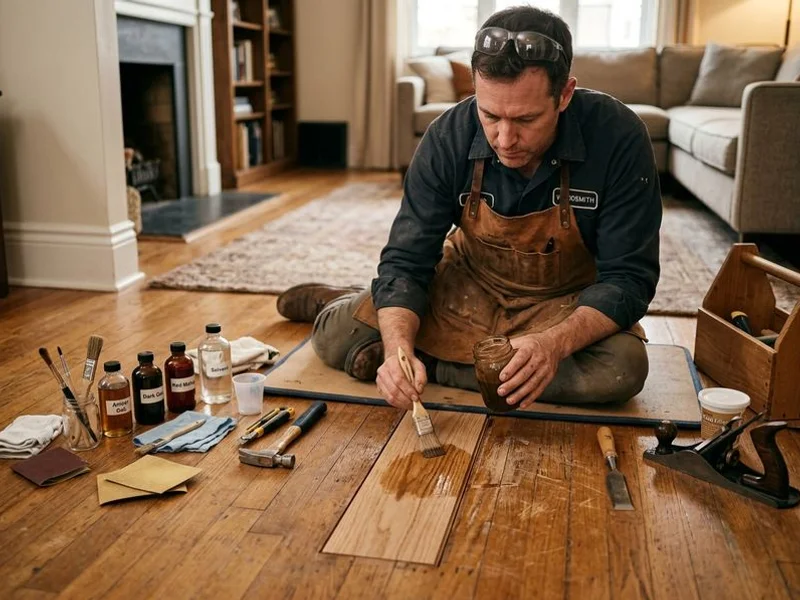
Both materials carry slip risk if not properly installed. The relevant comparison is in how each material ages with respect to safety.
Carpet safety profile: New carpet provides good traction. As carpet fibres wear and the nose of each tread thins, carpet can bunch, create a trip edge, or peel away from tack strips. Loose carpet at the nose is a fall hazard that can develop gradually and go unnoticed until an incident occurs.
Hardwood safety profile: A smooth hardwood tread with no nosing treatment is slippery, particularly in socks. A properly routed bullnose nosing profile - the standard detail for all Toronto Quality Wood Flooring staircase installs - provides a defined, rounded leading edge that is easier to feel underfoot. For households with young children or seniors, rubberised nosing inserts are available for $15-$25 per tread and add meaningful grip without altering the visual appearance.
Grip strips installed along the back portion of each tread are a third option - they are invisible when looking down the staircase but provide tactile traction underfoot.
Who should choose hardwood stairs
Hardwood is the better choice when:
- The main floor already has hardwood and visual continuity matters
- The home is in a neighbourhood where buyers expect hardwood (Rosedale, Forest Hill, Leaside, Annex)
- The household has allergy sufferers or young children who spend time on the floor
- The staircase is visible from an open-plan main floor
- The owner’s planning horizon is 10 or more years
Carpet may be the better short-term choice when:
- The household has infants who will be learning to crawl and walk over the next 2-3 years and the owner wants additional cushioning (in which case a hardwood install can follow when the children are older)
- Budget is constrained and the project must be deferred - carpet provides a functional, finished surface at lower upfront cost
For the detail on installation scope, species selection, and the process involved, visit the hardwood staircase installation service page.
The straightforward recommendation
For most Toronto homeowners with a main staircase in a resale-value home, hardwood is the correct long-term answer. The 25-year cost difference between hardwood and carpet is smaller than it appears at point of sale, the resale contribution is positive, and the allergen and durability profiles favour hardwood by a wide margin. Toronto Quality Wood Flooring provides a free in-home estimate and fixed-price written quote within 48 hours - so you can make this decision with real numbers for your specific staircase rather than estimates from the internet.